What exterior waterproofing is
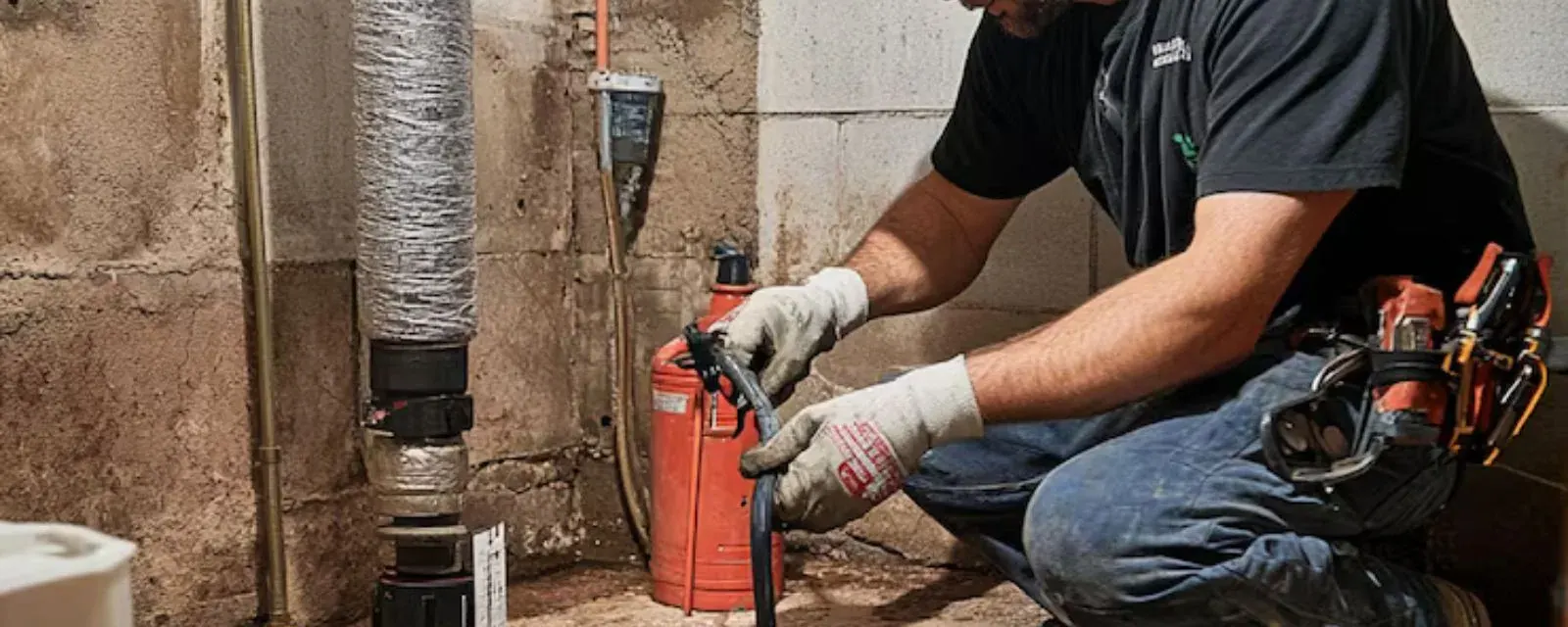
Exterior waterproofing stops water before it reaches the foundation wall. The soil is excavated down to the footing, the wall is cleaned and sealed with a membrane, drainage board is applied and a drain pipe is laid at the footing. The trench is then backfilled with free-draining stone and soil.
It is the most complete approach and the most disruptive. Plumbers more often handle interior drains and sump pumps, and an excavation contractor handles the dig. We say when exterior work is the right answer and when it is not.
What sets the price
Wall length and depth
More wall and deeper footings mean more excavation.
Access
A tight lot with no machine access means hand digging.
Ledge and rock
Rock close to the surface slows everything.
Landscaping
Patios, plantings and walks must be removed and replaced.
Excavation is most of the work
The dig is where the days and dollars go. A basement wall six or seven feet deep needs a wide enough trench to be safe, and every foot of width adds soil to move and restore. Utilities, gas and water lines, electric service and fuel tanks may need to be located or protected.
Ask who handles locating utilities and what happens if the crew hits rock.
Local note: drainage rules and rock in Marblehead
Marblehead's by-laws prohibit discharging groundwater and stormwater into the sanitary sewer. A footing drain or sump needs a legal outlet, and the Department of Public Works describes a license agreement for a private connection to the town drainage system, with a $25 fee and an inspection of the completed connection.
The town sits on a rocky peninsula where ledge comes close to the surface in many places. That can make deep excavation along a foundation slow, and it is a reason to have a contractor look at the lot before quoting.
Follow the town's guidelines on where drain water may go, and ask the Department of Public Works to confirm them for your lot before the drain design is final.
Wet basement?
Call to talk through the source and the options.
Interior drains as the alternative
An interior drain and a sump pump relieve water pressure from inside the basement, with far less disruption. They do not stop water at the wall, but they handle what gets under the slab. For many houses that is enough, and it costs less.
A plumber can look at where the water comes from and say which approach fits. See basement waterproofing for interior options and sump pump repair if you already have a pit.
Cheaper steps to try first
- Extend downspouts several feet from the foundation.
- Regrade soil so it slopes away from the house.
- Clean gutters before storm season.
- Test and, if needed, service the sump pump.
How to compare quotes
Make sure each quote covers the same wall length, the same membrane and drainage, the same backfill and the same restoration. Ask whether the drain connects to a legal outlet and who handles any permit. A low number that leaves out restoration is not low.
Ask for the warranty in writing and for photos of the work before it is covered.
Signs the problem is groundwater, not plumbing
Water that appears after rain, along the wall base or at the cove joint, points to groundwater. White powder on the wall, called efflorescence, shows water has passed through the masonry. A musty smell without visible water suggests moisture in the walls.
Water that appears in dry weather, near the water heater or under a bathroom, is a plumbing question first. A plumber can rule that out before you spend on waterproofing.
Protecting your investment after the work
Keep downspouts extended, keep grading sloped away from the house and do not pile soil or mulch against the foundation. Test the sump pump regularly if there is one. A waterproofing system works best when the simple surface measures are kept up.
Keep the contractor's records, photos and warranty. They matter if you sell the house.
Questions to ask an excavation contractor
Ask who locates buried utilities, how deep the trench will go, how the open trench is protected and what happens if rock is found. Ask whether the quote includes the membrane, drainage board, drain pipe, stone and backfill, and how the surface is restored.
Ask for references from similar houses and for photos of earlier work. A contractor who documents the work before it is buried is usually careful about it.
Finally, get at least two written quotes with the same scope. When the numbers differ widely, the difference is usually in what is excluded, so compare the line items and not the totals.
Exterior waterproofing questions
It stops water at the wall, but it costs more and disturbs the yard. Interior drains handle water pressure under the slab with less disruption.
No. The town prohibits discharging groundwater into the sanitary sewer. Ask the Department of Public Works about a private connection to town drainage.
Generally no. Seepage and groundwater are usually excluded.
It depends on wall length, access and rock. The contractor gives a schedule after seeing the lot.
Usually a separate contractor handles the dig. A plumber handles the drain, sump and discharge.
Yes. See Swampscott and Salem.
For many, yes. It relieves pressure under the slab with less disruption than exterior work.
It depends on the membrane and the installation. Ask for the warranty terms in writing.