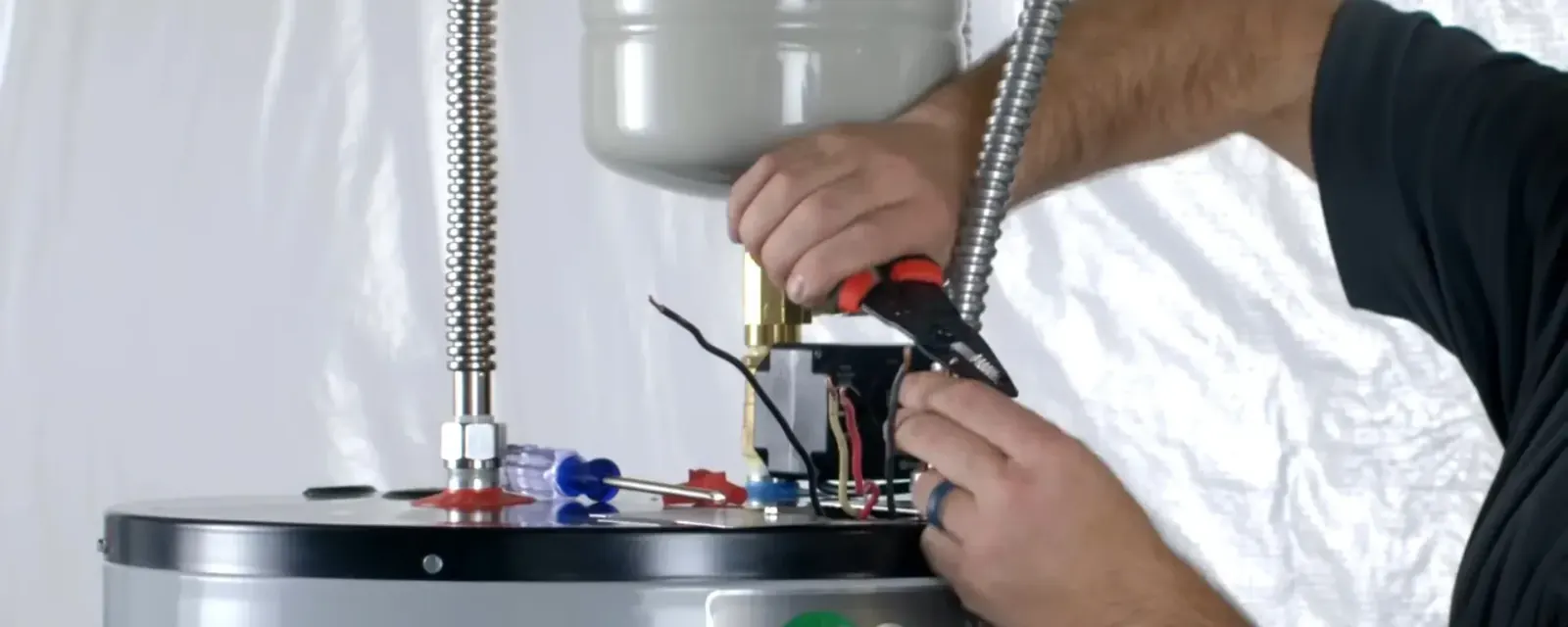
Typical lifespans by type
A standard tank water heater usually lasts about 8 to 12 years. A tankless unit can last about 20 years if it is flushed regularly. A heat pump water heater often falls between them, around 10 to 15 years.
These are ranges, not promises. A well-maintained tank in a house with easy conditions can outlast the range, and a neglected one can fail early.
How to find your heater's age
Check the rating plate on the side of the tank. The serial number often encodes the manufacture date, with a letter for the month and digits for the year. Manufacturers publish decoding tables online, and a plumber can read it in a minute.
If the plate is unreadable, the installation date from your paperwork is a good estimate.
What shortens a tank's life
Sediment buildup
Hard mineral deposits insulate the water from the burner.
A spent anode rod
Once the sacrificial rod is gone, the steel corrodes.
High water pressure
Stress on the tank and its fittings.
Heavy daily use
More heating cycles wear the parts.
Local note: permits for water heater work in Marblehead
Marblehead's Building Department lists a hot water tank permit under both plumbing and gas, and states that permits are issued to licensed plumbers. Starting work without a required permit triggers a fee of three times the normal amount, so ask who is pulling it before the old tank comes out.
The town's water comes entirely from the MWRA, and its 2021 water letter does not publish a hardness figure. If you want to know whether scale is shortening your heater's life, test your tap or ask the Water and Sewer Department.
Heater getting old?
Call to plan a replacement before it fails.
Flushing and the anode rod
Flushing a tank once a year removes sediment and improves efficiency. Checking the anode rod every few years and replacing it when it is mostly gone can add years. A plumber can do both in a single visit.
A tank that rumbles or pops is full of sediment. A young tank may recover with a flush. An old one often does not.
Signs it is time to replace
- Water pooling around the base of the tank.
- Rusty hot water.
- Age over ten years with recurring faults.
- No hot water and a repair that costs a large share of a new unit.
Plan the swap before it fails
A planned replacement costs less than an emergency one, because you choose the unit and the schedule. See water heater installation for sizing and options, and water heater replacement if the tank is already leaking.
If the heater is young and a part failed, water heater repair is usually the better value.
What to do with an aging heater
Between eight and ten years, start a plan. Locate the shutoff valve, check the relief valve, look for rust at the base and decide in advance what you would want to replace it with. A calm decision costs less than a rushed one.
Put a drain pan with a drain line under the tank if it sits on a finished floor, and consider a water leak sensor. A small sensor gives an early warning of a drip.
Choosing the next heater
Think about fuel, household size, space and the age of the venting. A like-for-like tank is the simplest swap. A tankless or hybrid heater changes the venting, gas or electrical needs, and a plumber can lay out the differences.
Ask about the warranty on the tank and on the labor, and whether the quote includes the permit, haul-away and a new relief valve.
Adding years with simple care
Set the thermostat to a reasonable temperature rather than the highest setting, because high heat speeds scale and corrosion. Keep the area around the tank dry and clear, test the relief valve once a year by lifting the lever briefly, and drain a bucket from the bottom valve to see whether sediment is building.
These steps cost little. They give you early warning, and early warning is the difference between a planned swap and a flooded basement.
Finally, record the install date on a label on the tank itself. A date written in marker on the jacket saves guesswork years later, for you and for whoever buys the house.
Lifespan by type
These are typical ranges.
| Type | Typical life | Care that helps |
|---|---|---|
| Standard tank | 8 to 12 years | Yearly flush and anode check |
| Tankless | About 20 years | Yearly descaling |
| Heat pump | 10 to 15 years | Filter and condensate checks |
Water heater age questions
Read the serial number on the rating plate and decode the date with the manufacturer's table.
It helps with sediment, especially on a younger tank.
Usually not for a major part. Compare the repair with replacement.
Permit rules vary. The Building Department lists a hot water tank permit and issues plumbing permits to licensed plumbers.
A planned swap costs less and avoids a flood.
Yes. See Swampscott and Salem.
Not always. A longer warranty often means a thicker anode rod or tank, which helps, but care still matters.
On an old tank, a flush can dislodge sediment and start a leak. A plumber can judge whether it is safe.